“I’m good.”
“All’s well.”
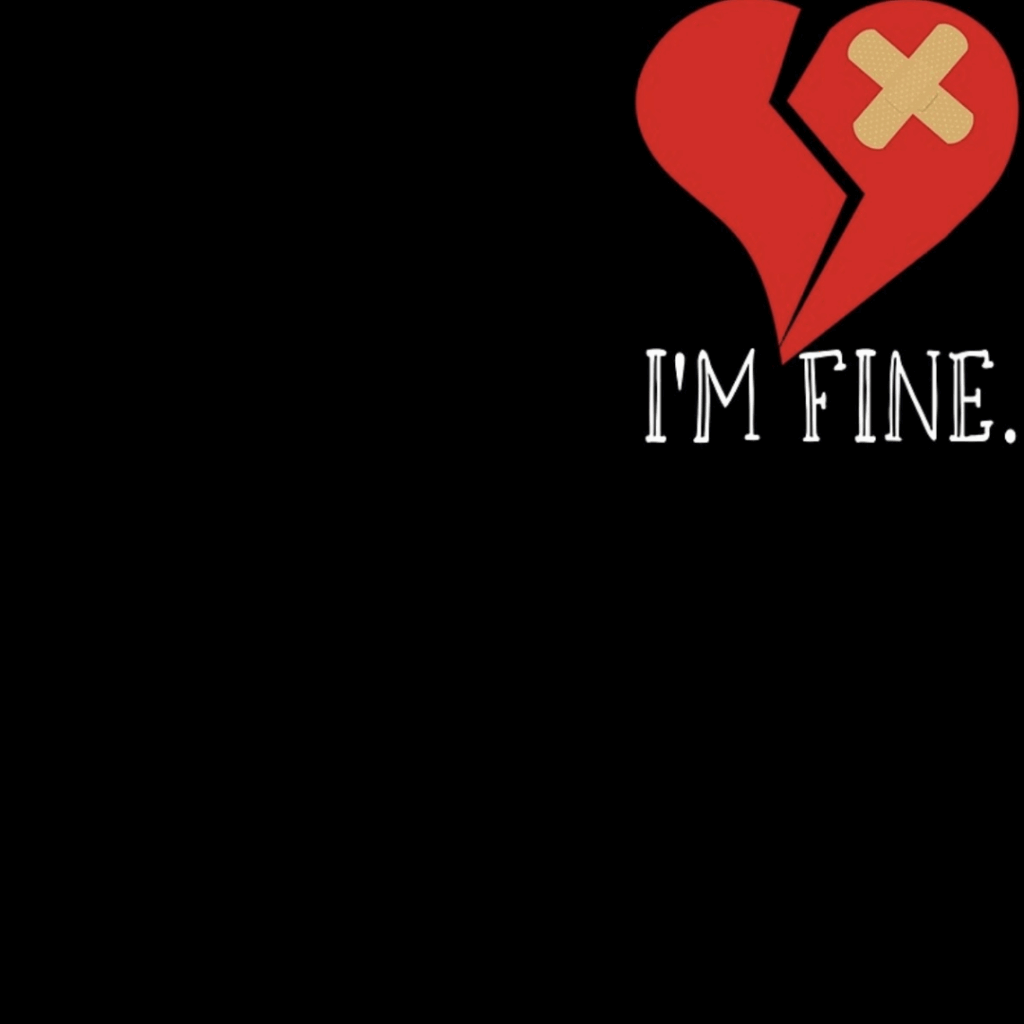
“I’m fine.”
We’ve all been there – someone asks how we’re doing, and we respond with a reflexive “I’m fine.” But let’s face it, how often does “I’m fine” actually mean something else entirely: “I’m feeling overwhelmed,” “I’m struggling,” or “I’m barely holding it together”? The phrase “I’m fine” has become a default response, a way to deflect attention from how we’re feeling and avoid vulnerability.
Now, of course, there’s a time and place to let ourselves reveal our vulnerability to others. Being discerning about where and when to share our deeper selves goes without saying.
This said, the issue for most of us is that the masks we wear ~ those invisible walls, shields, and coverups that we’ve adopted to hide our perceived flaws, weaknesses, and fears ~ hide who we really are so convincingly that we often confuse our masks for who we truly are.
The fact of the matter is that our psychological masks, also known as our personas, are designed to show a certain image to the world, a curated, polished version of the self we want others to see. Our truer, more authentic self gets buried beneath layers of psychological camouflage.
The Mask of “I’m Fine”
The “I’m fine” mask is a clever and effective disguise. On the surface, it appears to be a neutral phrase, a way to acknowledge someone’s question about how we are without getting too deep. But beneath the surface, it’s often a coping mechanism, a way to avoid feeling exposed or vulnerable. We use “I’m fine” to protect ourselves from judgment, rejection, and even our own emotions.
The Deeper WHY?
The “I’m fine” persona consists of a psychological glaze that often covers a lifetime of (unacknowledged) sadness, hopelessness, disappointments, anger, and hurt. Some adults who wear this mask were likely children whose needs for nurturance and protection went unmet. Others of us may have wanted to protect our parents or caregivers because they were overwhelmed, burdened, or ill. On some level, we became resigned to this dynamic. Our resignation may have expressed itself though an inner dialogue that went something like, “What’s the use?” “No one is listening. No one cares.” “No one will make things better.” Frustrated and let down, yet very smart, we intuitively created a way to ease the sting of this situation: “If I tell myself I’m fine, I won’t feel my needs and the pain of being disappointed. I won’t need anyone to help me feel better. I will just take care of myself.” “I’m tough. I can handle it.”
The COST of Wearing the Mask
This mask, like all the others, was an adaptive way to cope with the feelings just mentioned. But over time, it actually becomes maladaptive, creating problems in our adult lives.
Here’s what I mean:
Wearing the “I’m fine” mask can have a significant cost today. When we hide behind this phrase, we:
- Continue to bury, negate, or deny our true needs
- Miss opportunities for genuine connection and understanding
- Struggle to build meaningful relationships
- Feel isolated and alone, even in crowded rooms
- Suppress our emotions, leading to increased stress and anxiety
Breaking Free from the Mask
So, how do we break free from the “I’m fine” mask?
It starts with self-awareness and a willingness to be vulnerable, firstly, with ourselves.
Here are a few steps to take:
* Recognize your emotions: Take time to acknowledge and understand your feelings. Rather than scold yourself or put yourself down, ask “What’s really going on beneath the surface?” Trust me, this will take your further than beating yourself up.
* Practice having your own back: Be kind to yourself and remember, it’s okay to not be okay, meaning, it’s normal to have unpleasant or uncomfortable feelings arise. Lean in instead of stuffing.
* Share your truth: When someone asks how you’re doing, try responding with honesty, even if it’s a measured honesty. “I’m actually going through something right now.” “I’m feeling subdued at the moment.” “I’m feeling introspective today. That’s why I’m quieter than usual.” You do not have to go into detail. But by admitting that you’re not completely “fine,” you might be surprised by the depth of connection that can follow.
Unmasking Your True Self
As I explore in my book, Unmasked: Discover the Hidden Power of Your True Self, unmasking your true self is a journey of self-discovery and growth. Emerging from the trance of endless coverups and turning toward the light of authenticity, each of us has the opportunity to accept rather than abandon ourselves. By shedding the “I’m fine” mask and embracing our authentic emotions, we’ll possess one of the keys to unlocking a more meaningful, more connected, and more fulfilling life. Remember, you don’t need to toughen up. What you need is to take care of yourself.
So, the next time someone asks how you’re doing, take a deep breath and consider responding with honesty. You might just find that the world responds with compassion, understanding, and a deeper connection.
I hope you will take one small step to experiment with this freer way of living. If you do, let me know! I would love to support you in letting your true self shine!