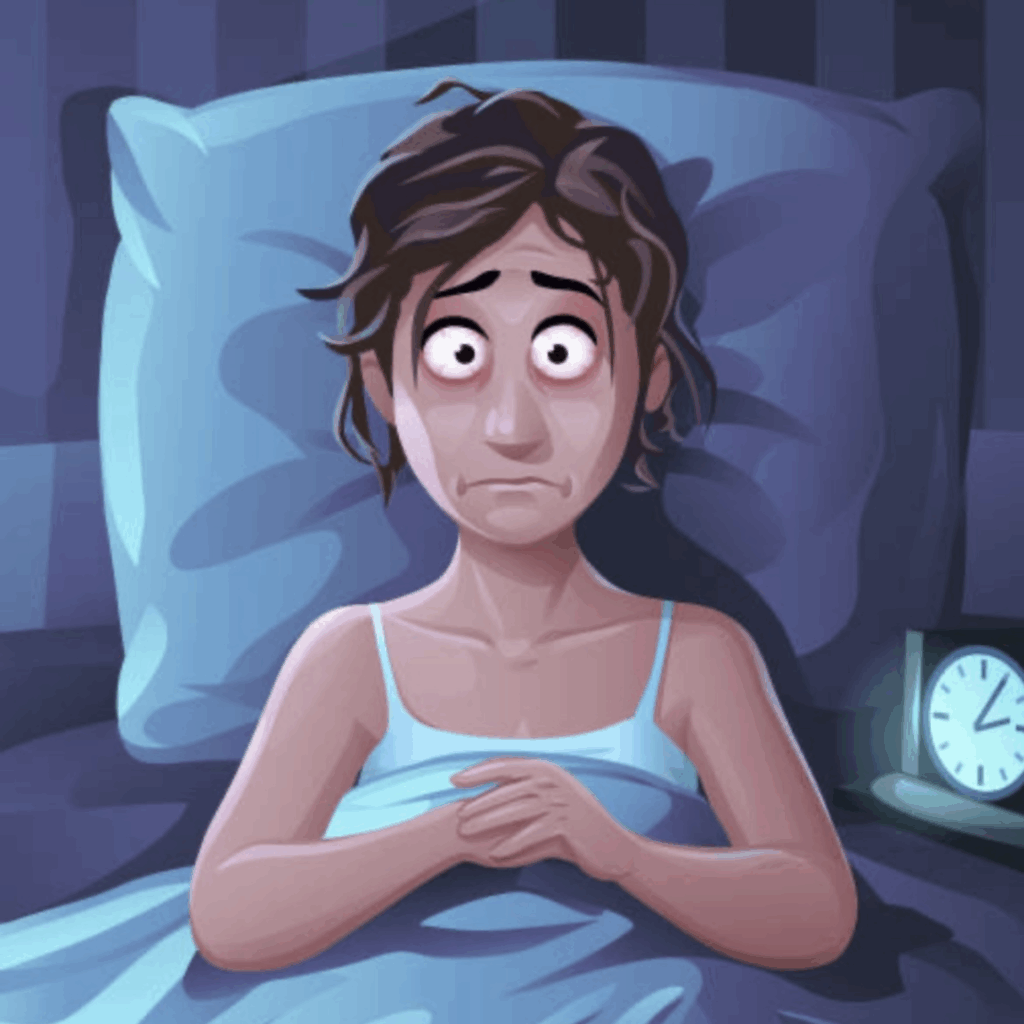
Grinders, chompers, and clenchers, please come to the front. You too, shoulder-scrunchers, stomach-roilers, backachers, and the generally knotted up. Tired but wireds, I see you. (By the way, it’s okay to yawn.)
If this is you, if you fall into one of these groups, your physician’s office, massage therapist’s table or dentist’s chair – while helpful and necessary for managing symptoms – may not be the best place to get the deepest and most lasting fix.
In fact, an abundance of research overwhelmingly suggests that it is your own mind that may be the optimal place to address your body.
Here’s why:
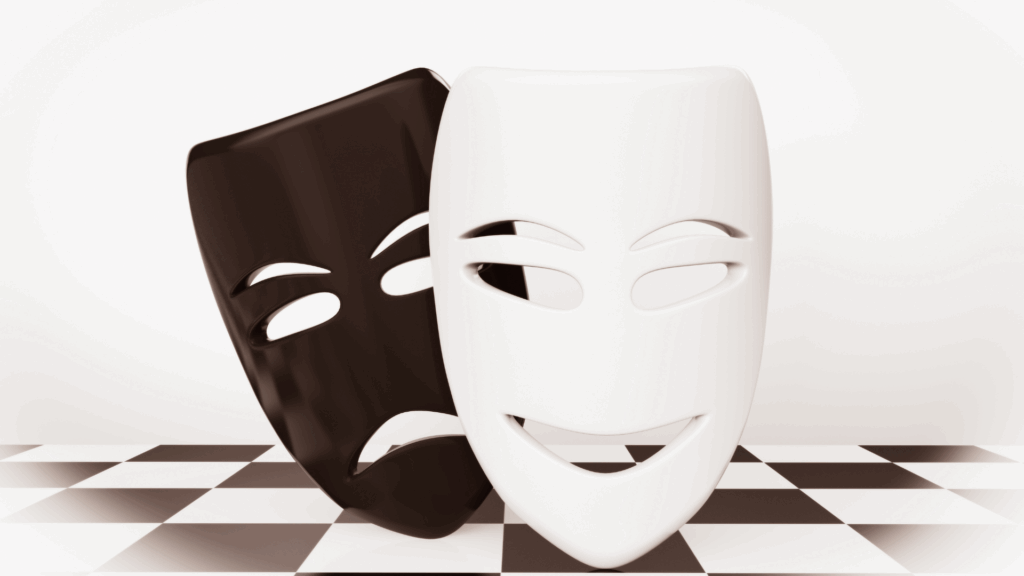
We all know that the mind-body continuum is a powerful, intricate network where thoughts, emotions, and physical sensations intersect. When emotions arise, they typically follow a natural flow: an emotional stimulus triggers a response, which is then expressed and released (through crying, laughing, yelling, dancing, or exercising, for example), allowing the body to return to balance.
This emotional flow can be interrupted or blocked for various reasons, and when this happens, subtle and-not-so subtle consequences can emerge.Childhood experiences such as trauma, neglect, or emotional invalidation can lead to emotional numbing or suppression. So can certain societal norms or family dynamics that discourage the expression of emotions. What’s more, personal characteristics such as fear of emotional overwhelm, shame, guilt, or perfectionism can cause us to anesthetize what we feel. But no matter how determined we may be to keep unwanted emotions at bay, they never disappear.
Instead, they lodge in the body and often causes a physical ailment or bodily discomfort. Symptom management may provide relief but seldom offers a cure.
Chronic muscle tension such as a clenched jaw, aches, shoulder-raising are examples of what happens when emotions literally become stuck in our bodies.
What’s the remedy?
* The first step is recognizing that unexplained or chronic pain in the body could very well be the way in which your unprocessed emotions are showing up. They (emotions) have an energy to them and in fact are impulses of energy that have an upward trajectory. Suppression works to keep them confined in the body.
* The second step is to bring your awareness to the part of the body that is aching and ask yourself, “If this pain, ache, or tension could speak, what would it say?” Listen. Does it say, “I’m angry or sad or fearful or joyful or disgusted?” By cultivating emotional awareness, you can begin to dislodge what has been previously tamped down.
* The third step is to utilize techniques that can gently and effectively help to get at the stuck emotion. Mindfulness, meditation, journaling, breathwork, dance, and singing are a few measures you can take immediately and do on your own.
* The fourth step is to work with a trained professional who is well versed in the art and science of somatic therapies. There are many; EMDR and EFT (Emotional Freedom Techniques) are two science-based approaches that have gained widespread popularity in recent years.
By releasing stuck emotions, clenchers can become calmer, backachers can find flexibility, and the knotted-ups can unwind.
Here’s to restoring balance to our bodies, and ease to our minds with greater vibrancy, resilience, and joy.